
Learn how to preserve eggs during the bountiful laying seasons so you can have farm-fresh eggs all year round.
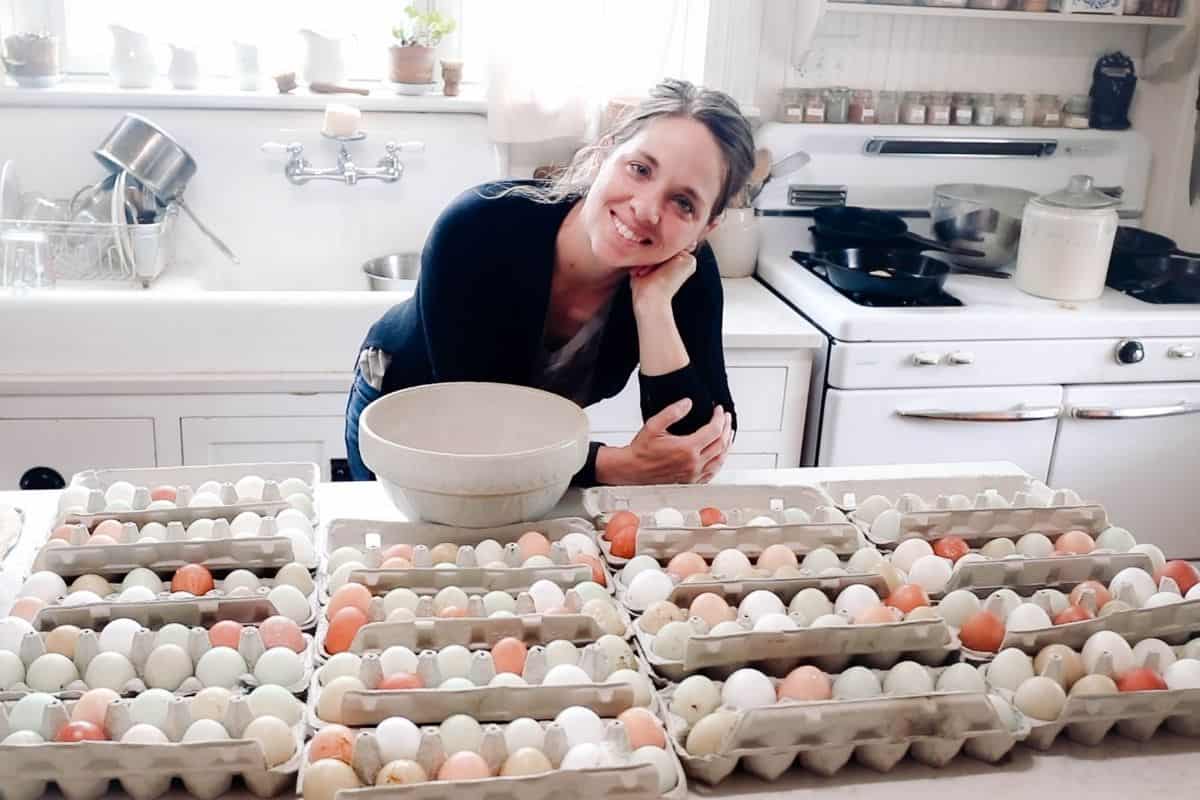
Whether you have backyard chickens or get eggs from a local farm, it’s great to preserve them while there are plenty.
While I try to use up eggs in recipes often during peak laying seasons, we always seem to have more than we can eat.
There are a variety of methods for preserving eggs, and most of them are incredibly easy and accessible with no special equipment or a root cellar needed.
Then, you will have eggs to use in recipes like my whole wheat Dutch baby pancake, homemade pasta, or sourdough crepes all year long.
Why You’ll Love These Methods
Food security – We love knowing where our food comes from, and nothing beats farm fresh eggs! Being able to fill our pantry with the bounty of the spring and summer months is a beautiful sight. Then we can make a ham and cheese frittata whenever we want.
Rewarding – Home food preservation is incredibly rewarding and satisfying! Whether you are fermenting carrots from your family farm, making your own salsa, or preserving eggs for long term storage, there are numerous ways to preserve the harvest of the warmer months.
Versatile – Whether you want to save commercial eggs for next month or you want more long-term storage options, each egg preservation method listed below has benefits! These methods have been done with chicken eggs, as that is what we have. You can try them with duck eggs or another type of poultry egg if you wish.
How to Preserve Eggs
Freezing Eggs
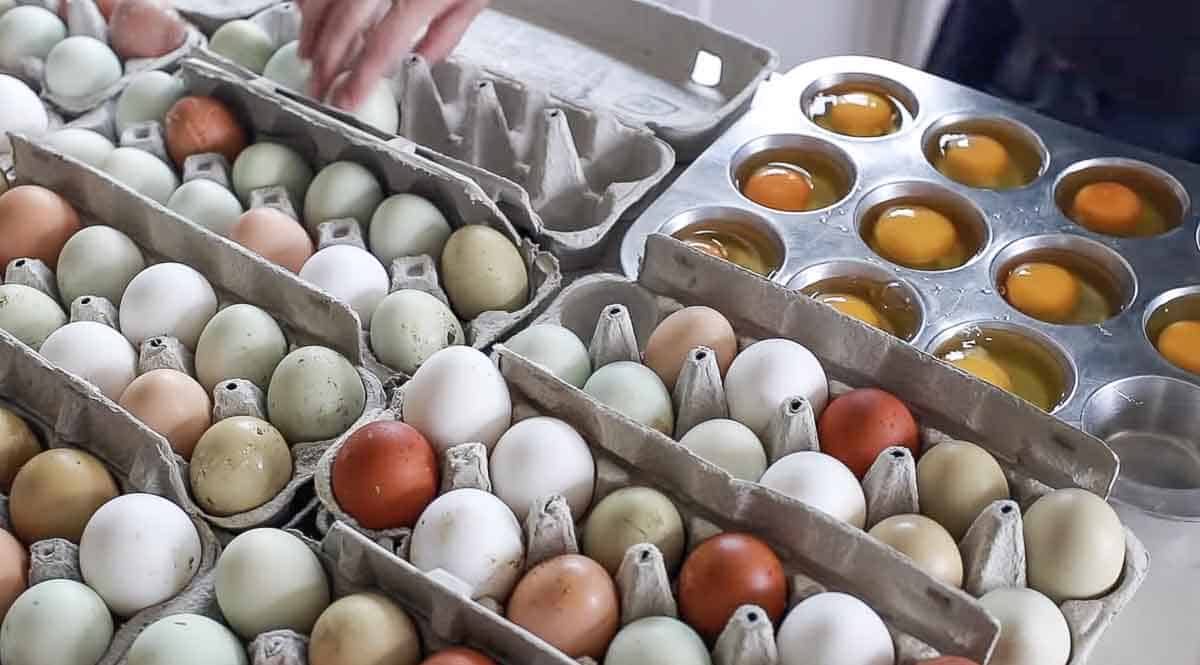
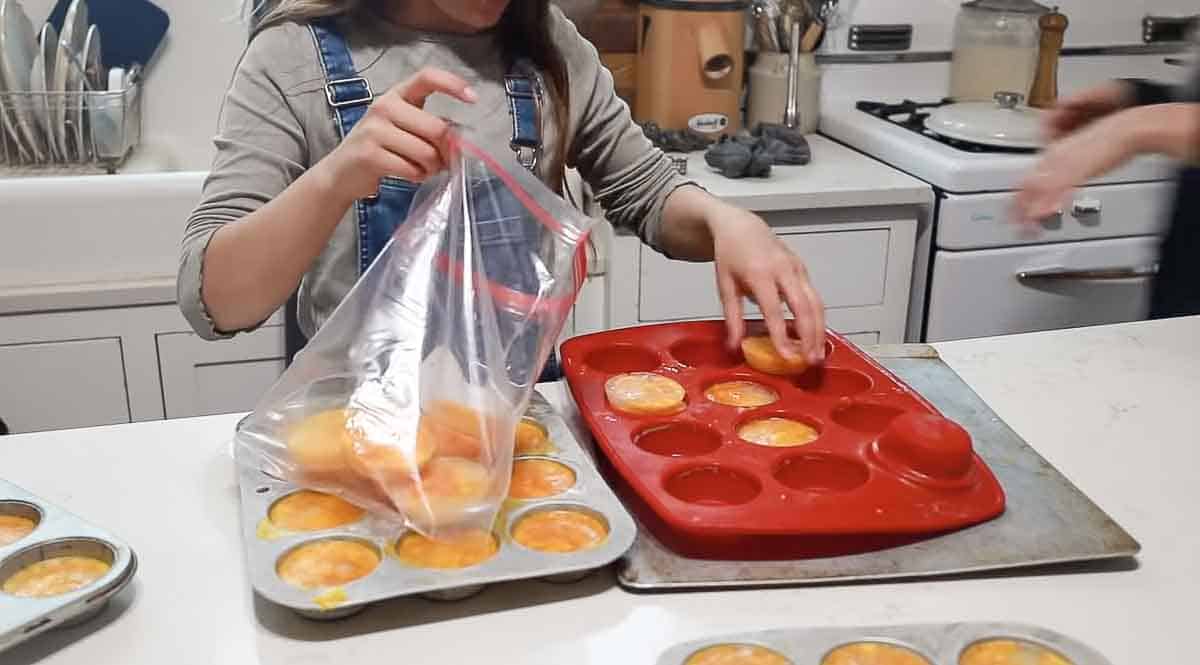
Freezing eggs is the best way to preserve them with little effort. Using ice cube trays or silicone muffin pans makes freezing eggs the easiest method of preservation. If you are using the metal muffin tins, just run a bit of hot water on the bottom and a frozen egg should pop out easily with a butter knife.
- Crack one egg into each muffin tin well.
- Sprinkle each egg with either a small pinch of sugar or a tiny pinch of salt.
- Scramble in the well.
- Place in the freezer for a few hours until completely solid.
- Pop out and place in a freezer bag or airtight container. Label whether they have salt or sugar.
- Return to the freezer until ready to use.
Freeze Drying Eggs
Freeze drying is a great way to preserve eggs. Not only will raw freeze-dried eggs last for years, but they take up little space in the pantry. The only downfall is that you need a freeze dryer. We do love and use ours, and I highly recommend the Harvest Right.
- Crack eggs into a larger bowl or blender and blend them until smooth.
- Pour into the freeze drying trays and freeze in the freezer for 2 to 3 hours or overnight.
- The next day, place into the freeze dryer and dry according to instructions for 24+ hours or until they are completely dry.
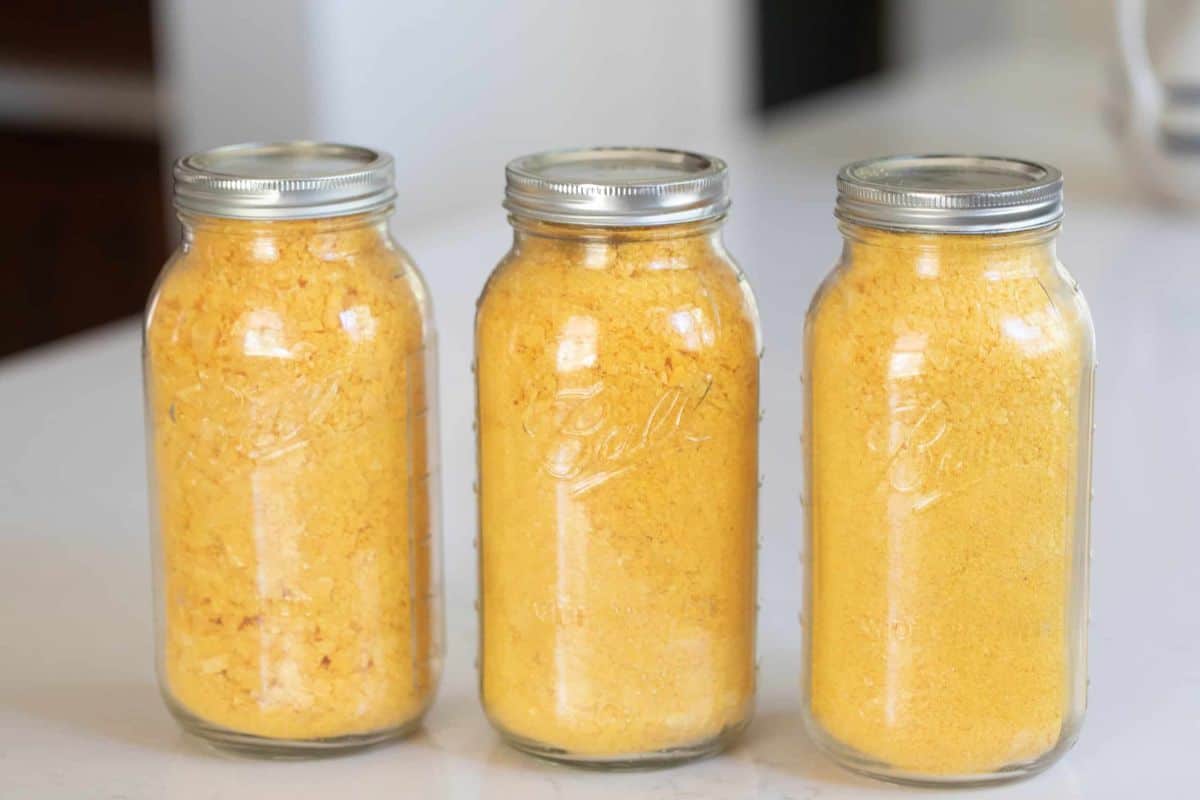
- Run them through a food processor until a fine powder is created.
- Store in a jar or mylar bag with an oxygen absorber.
Water Glassing Eggs
Water glassing is one of the old fashioned ways to preserve eggs. You use a lime solution to prevent bacterial growth, and it is the easiest way to store extra eggs long term. Water-glassed eggs will stay fresh for 12 to 18 months.
For water glassing, you must use unwashed fresh eggs that are completely clean. Use whole eggs that do not have any poop or dirt. They need to still have the bloom (the natural protective coating) on the shell.
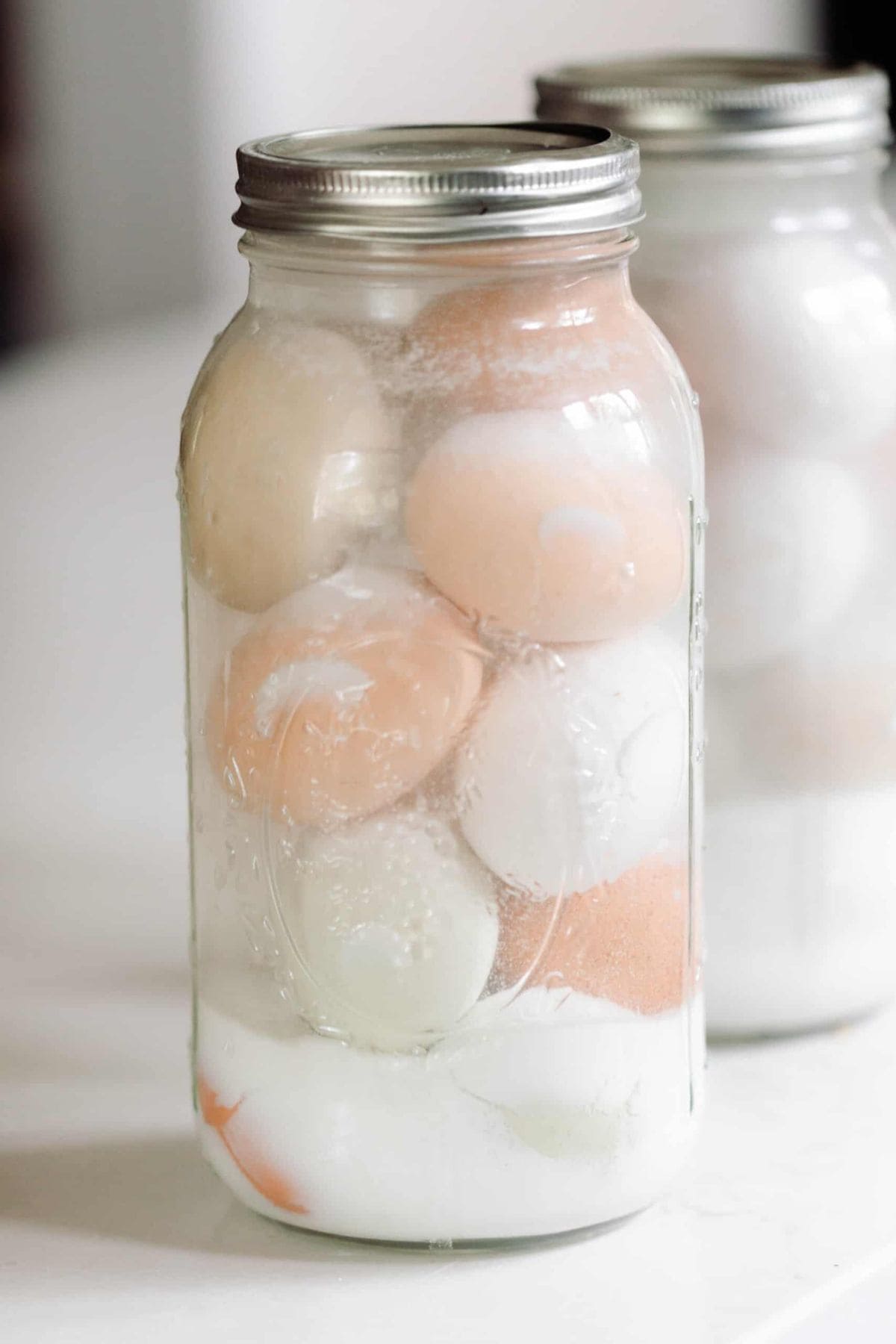
- The exact amount of lime and water you need to water glass eggs will depend on the number of eggs you have. The ratio is 1 ounce of lime to every 8 ounces of water.
- Add lime to your clean glass jars, add room temperature or slightly warm water and whisk together until dissolved. Cold water makes it hard to dissolve the lime.
- Gently add the fresh unwashed eggs to the lime water, with the pointy end down (the small end that has a slight point) once you are able to align them.
- Cover with a lid and store in a cool dark location away from direct sunlight.
- When you go to use the eggs, just pick out as many as desired and wash off the lime solution. You do not want to ingest the lime solution. The eggs can handle exposure because of the protective covering on the shell.
Dehydrating Eggs
Dehydrated eggs are only safe if you cook the eggs first. Some will say that you can dehydrate raw eggs, but eggs have to reach a certain temperature to kill salmonella. Once dehydrated, they will last in a cool dark place for about a year. This is our preferred method for older eggs, since we are cooking them first. To use, you will want to use 1 tablespoon of dehydrated egg powder with 1 to 2 tablespoons water. This works best in baked recipes, as rehydrating them to use for scrambled eggs may have some undesirable results.
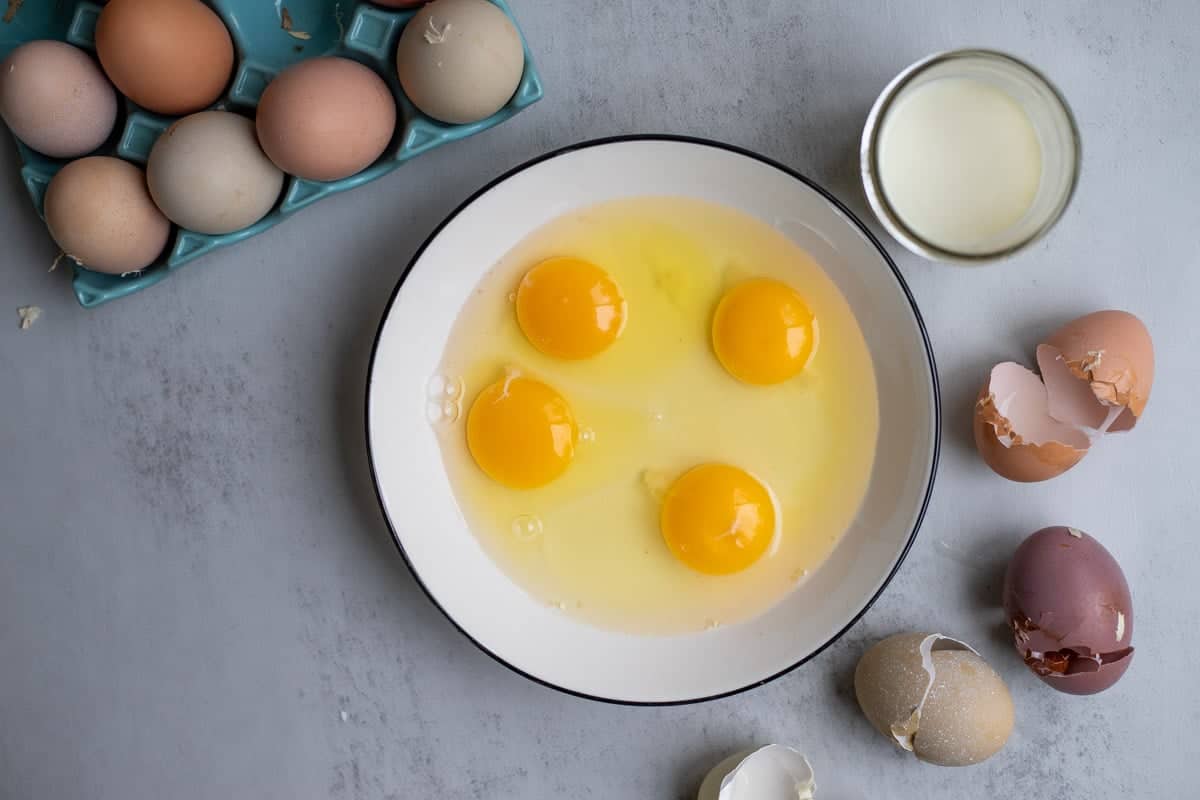
- Scramble the eggs and cook until done.
- Place in the dehydrator and cook for 10-15 hours at 145 degrees.
- Once dehydrated, place the dry eggs in a food processor or blender and blend into a powder.
- Store in an air-tight container away from humid climates of the home.
Pickling Eggs
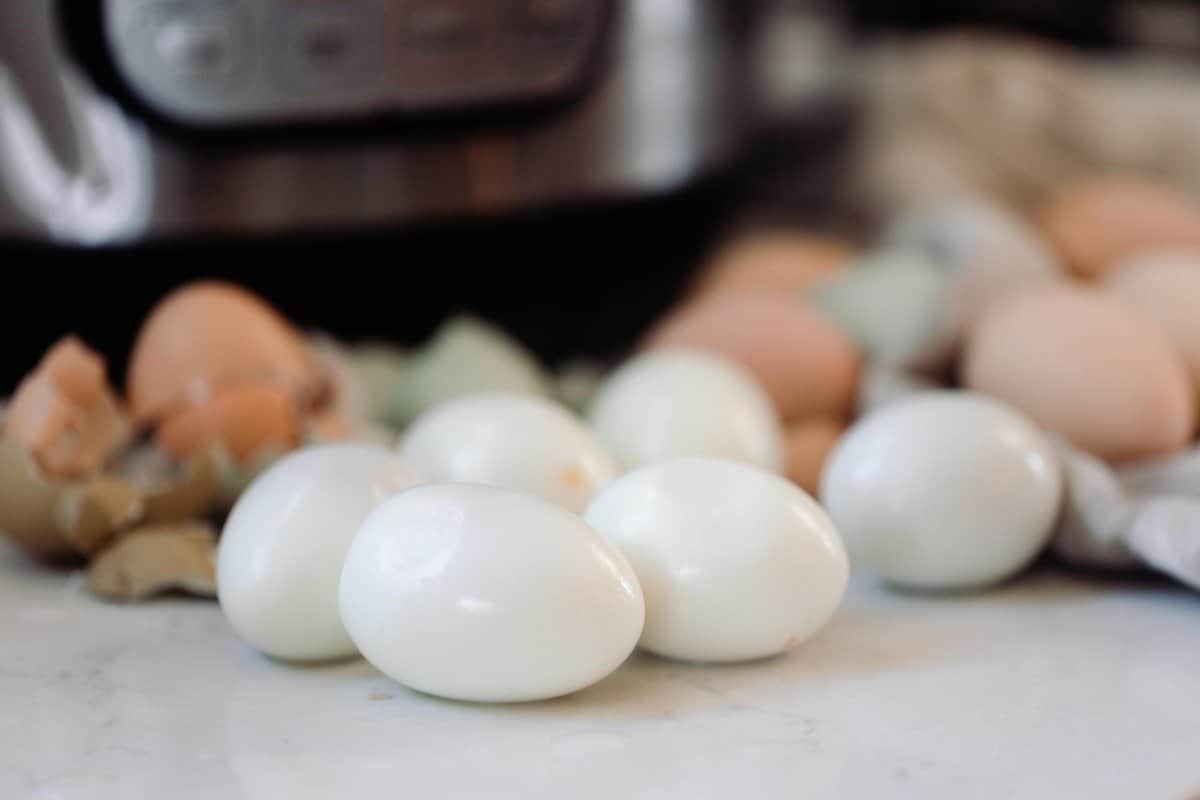
This is a process where you hard boil eggs, peel the shell, and then submerging them in a vinegar brine that is stored in the refrigerator. You can add various herbs and flavors to the pickling solution to mix things up and get different flavors. Pickled eggs normally last about 3 to 4 months. Here is a guide on making pickled eggs.
Tips
- When freezing eggs, the yolks last better and don’t get as gummy if you add a sprinkle of salt or sugar to the eggs before freezing.
- For water glassing, it is normal for the lime to settle on the bottom
- You will know if water glassed eggs have gone bad. They will smell foul, and the water will look rancid. You can do a float test with the eggs before using them.
Preserving Eggs FAQs
Yes. Eggs are very easy to freeze and you only really need two ingredients – Eggs and salt or sugar.
The shelf life of eggs in the refrigerator depends on whether or not they are whole. Raw in-shell eggs will last 4 to 5 weeks. Egg whites will last up to 4 days, and egg yolks will last up to two days. Whole cracked eggs will last up to 2 days.
Boiled eggs do not freeze well. They tend to get tough and kind of gross.









I meant thaw them before you cook them?
Yes.
If you freeze eggs, how long will they keep in the freezer until they start to degrade or go bad?
Up to 1 year!