
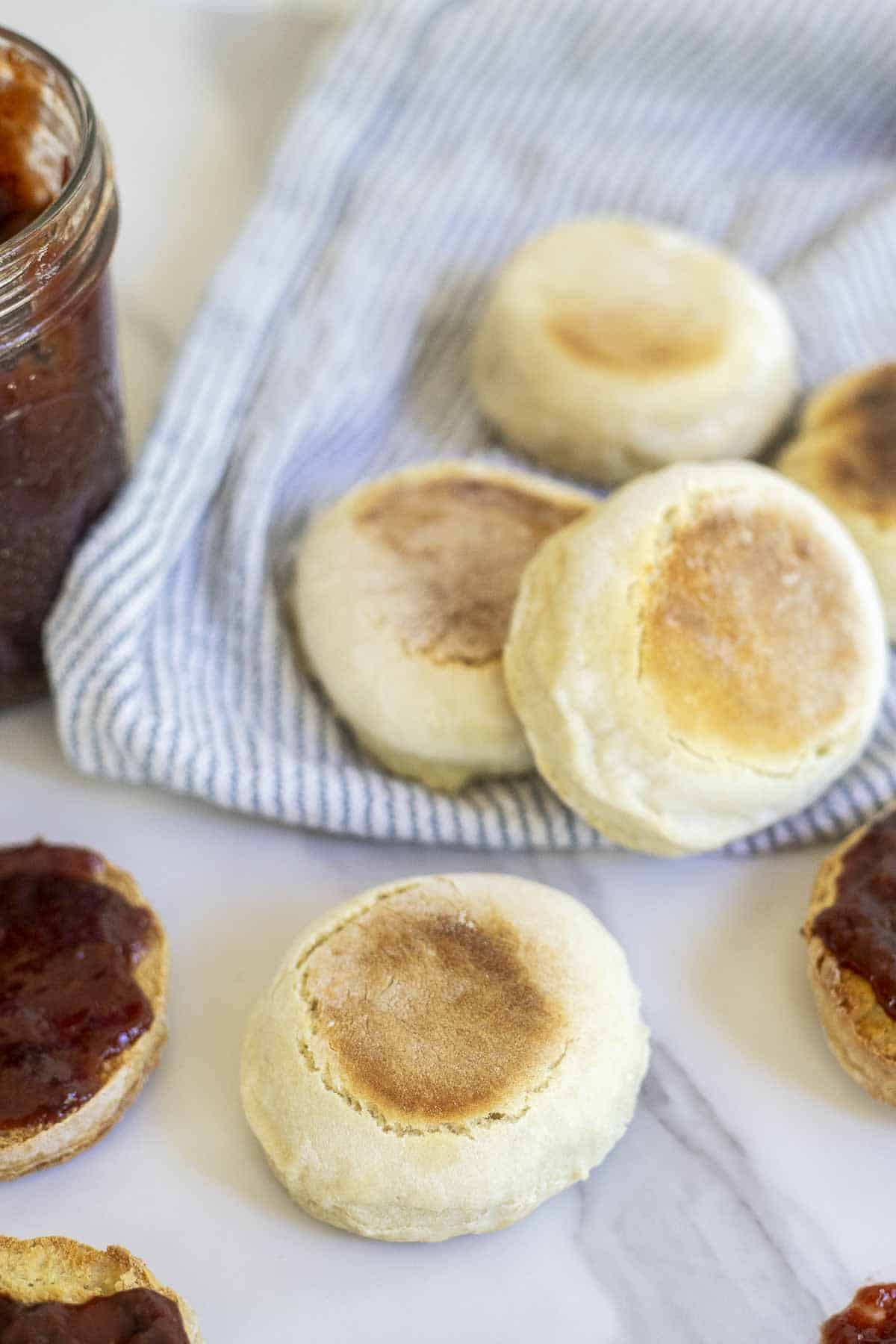
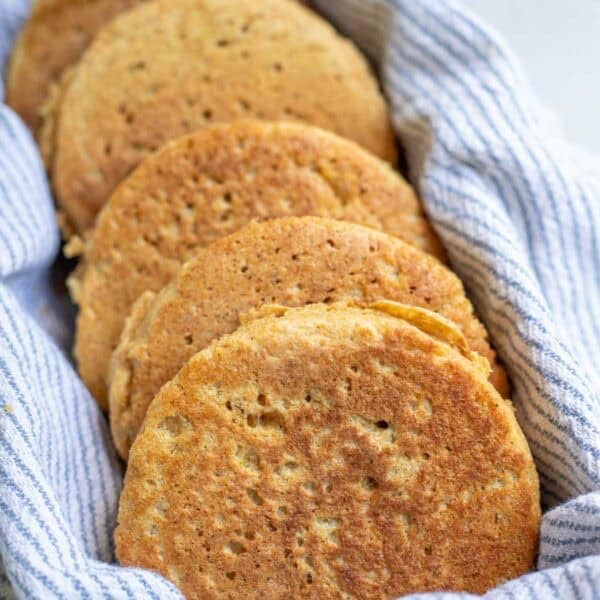
All you need is a few simple ingredients to make these delicious and soft sourdough discard English muffins. Delightfully chewy, this recipe makes the perfect breakfast, brunch, or even use them in place of bread in sandwiches.
This post contains affiliate links, which means I make a small commission at no extra cost to you. See my full disclosure here.
The original version of my sourdough English muffins were one of my very first sourdough recipes on the blog. They are a staple in our house. They are super simple to make, they come together quickly, and you can use them in just about a thousand ways.
Most of the ingredients you probably already have in your pantry, and if you are new to sourdough baking, this is for you.
Sourdough bread can be intimidating. You worry about the timing, and about feeding your starter so it is active when you are ready to start the dough. It’s one reason many people don’t even try. They are overwhelmed with all the new things they may have to learn.
If that is you, I want to encourage you to keep going. Start with sourdough discard recipes, like double chocolate sourdough bread, and once you get your feel for it, move on to some active starter fermentations.
Why You’ll Love This Recipe
Great way to use discard: No, you don’t need an active sourdough starter for this recipe (although that will work). Discard will work just fine because the dough is risen by baking soda rather than the wild yeast in the active starter.
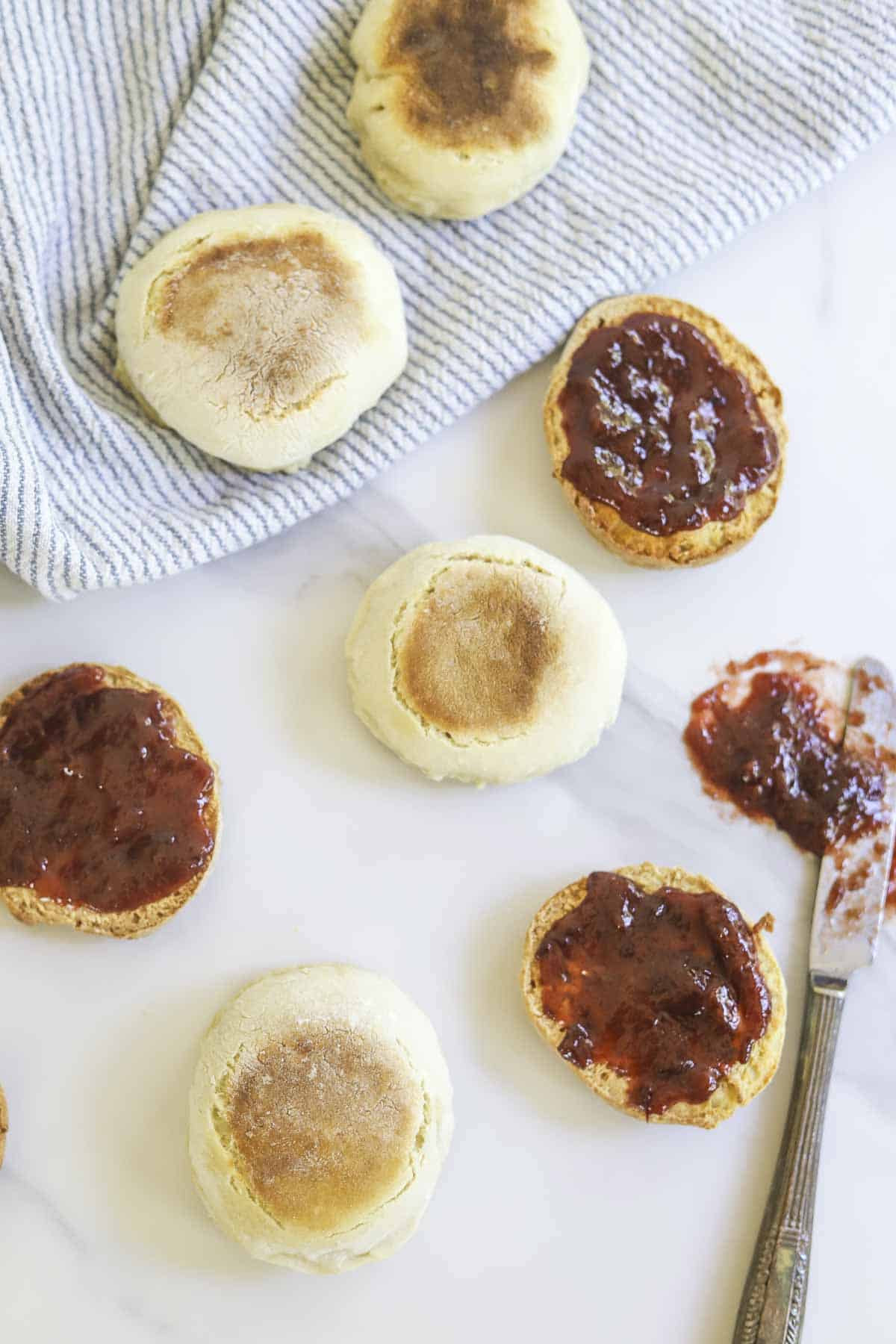
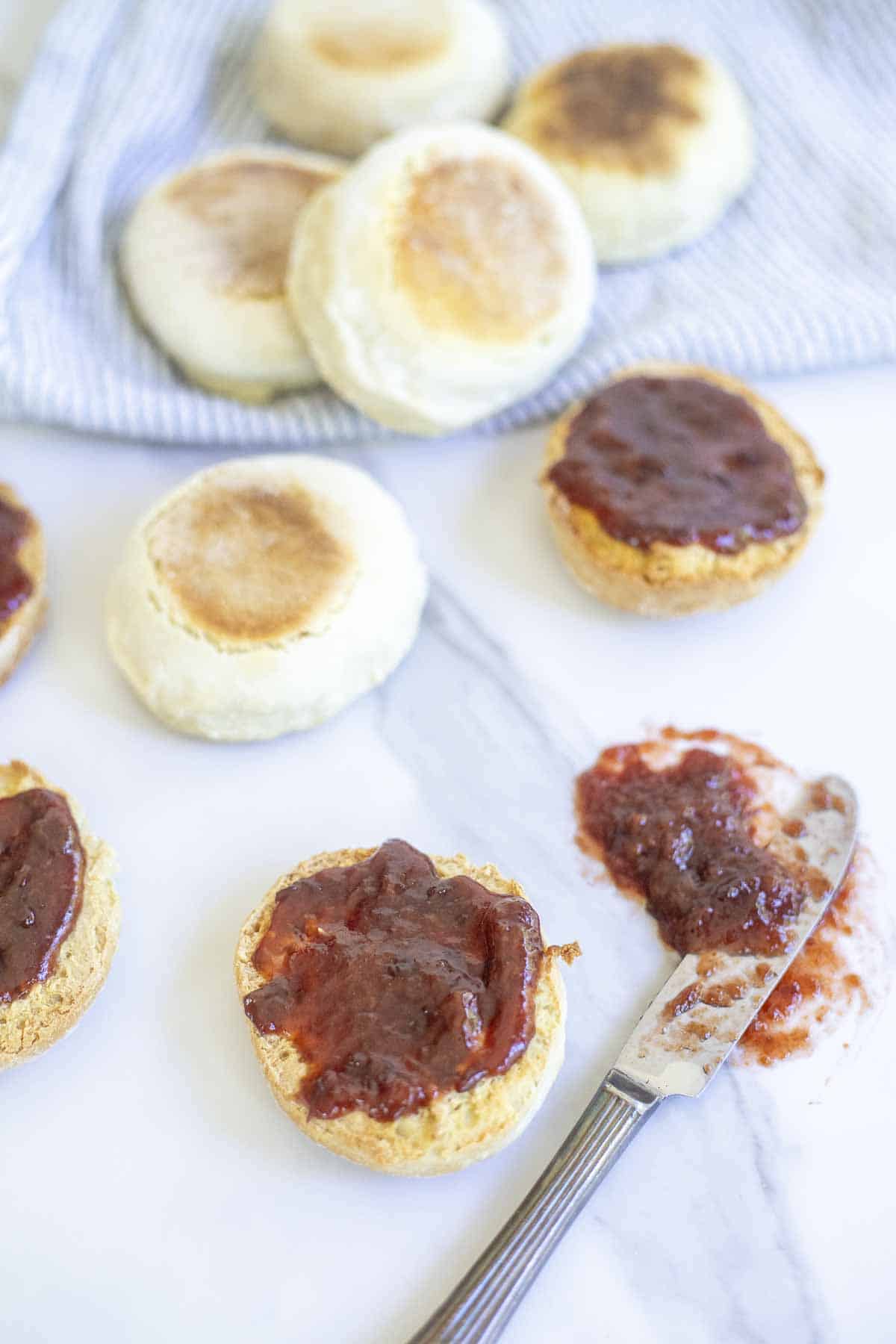
Versatile: English muffins can be used in a variety of ways– no need to stick to just breakfast. I use them for sandwiches or even as a side instead of biscuits. Slather on some homemade strawberry jam or cream cheese and everyone will be happy.
Super simple: They can be made quickly or long-fermented for the added health benefits.
Ingredients
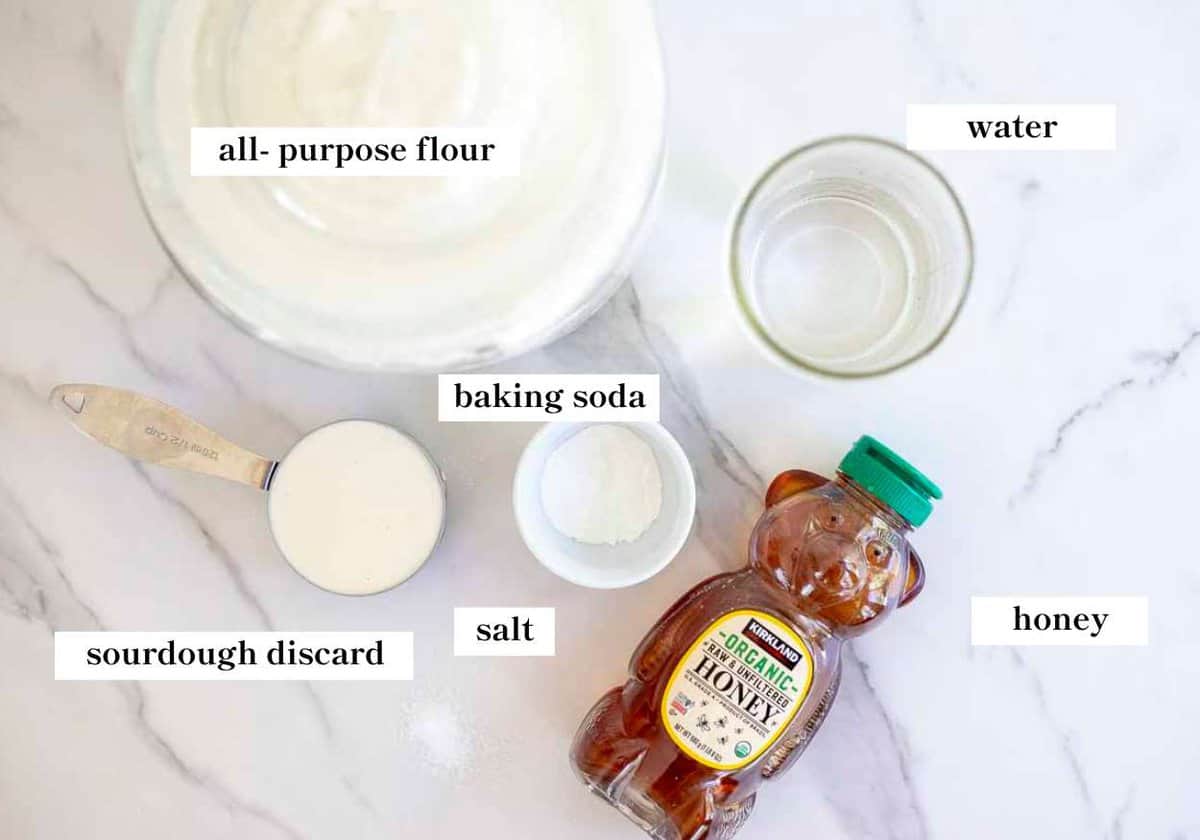
Sourdough discard: The star of the show. This is an unfed sourdough starter. Active starter will also work, but it’s not a requirement. Discard also adds a lovely tanginess to the dough. Learn how to make a sourdough starter.
Honey: You could also use maple syrup or even sugar. You may need to add a little water if using sugar.
Baking soda: This gives the dough its rise.
Tools You May Need
Cast iron skillet
English muffin rings, biscuit cutter, round cookie cutter, or even just a mason jar ring
How to Make Sourdough Discard English Muffins
The Quick Version
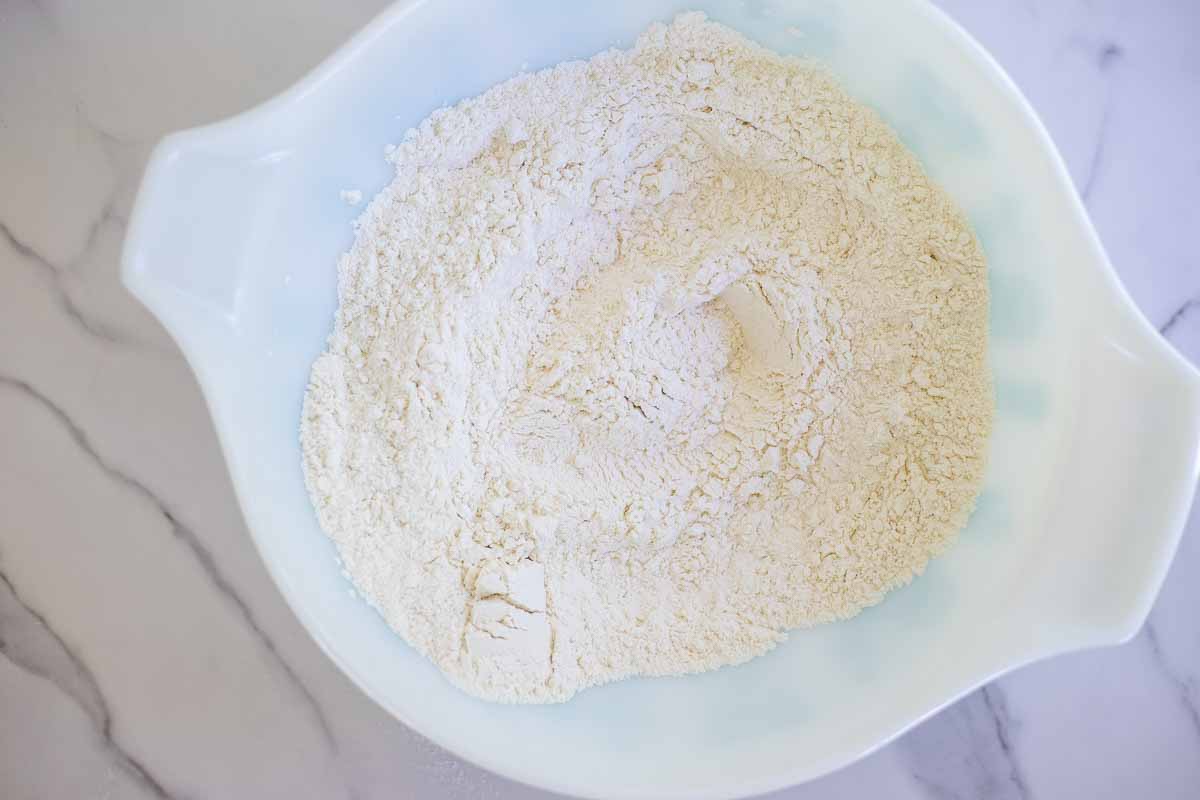
Step 1: Heat a large cast iron skillet over medium-low heat. Add flour, salt, and baking soda to a large bowl. Whisk together well.
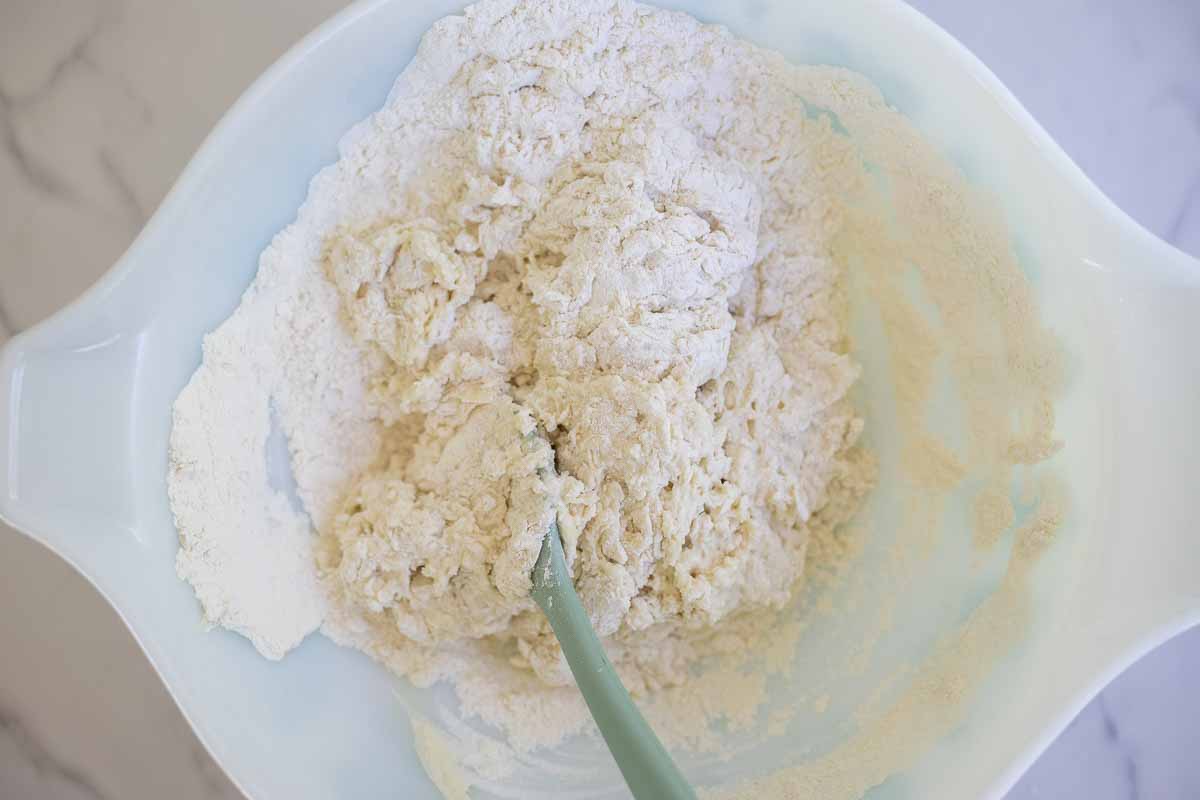
Step 2: Add in water and sourdough starter discard. Mix until it comes together. You could use a stand mixer if you prefer.
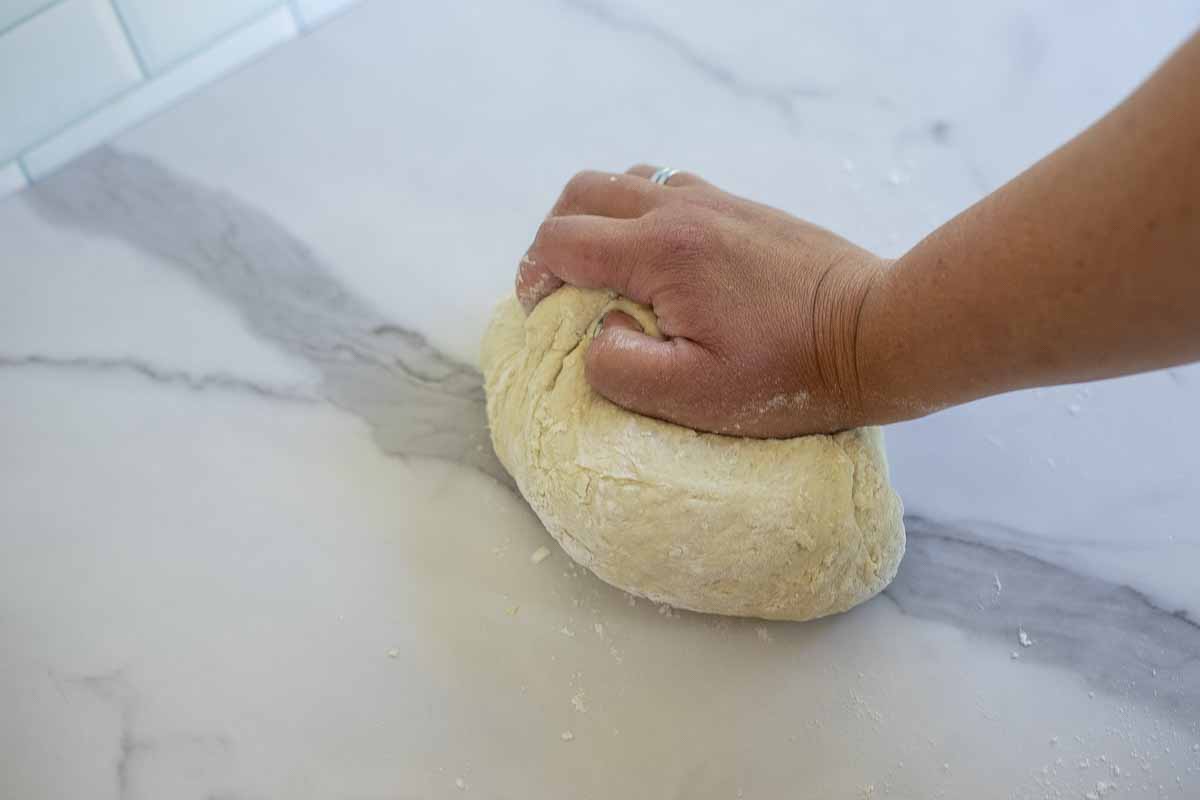
Step 3: Knead the dough for a few minutes to help develop the gluten strands.
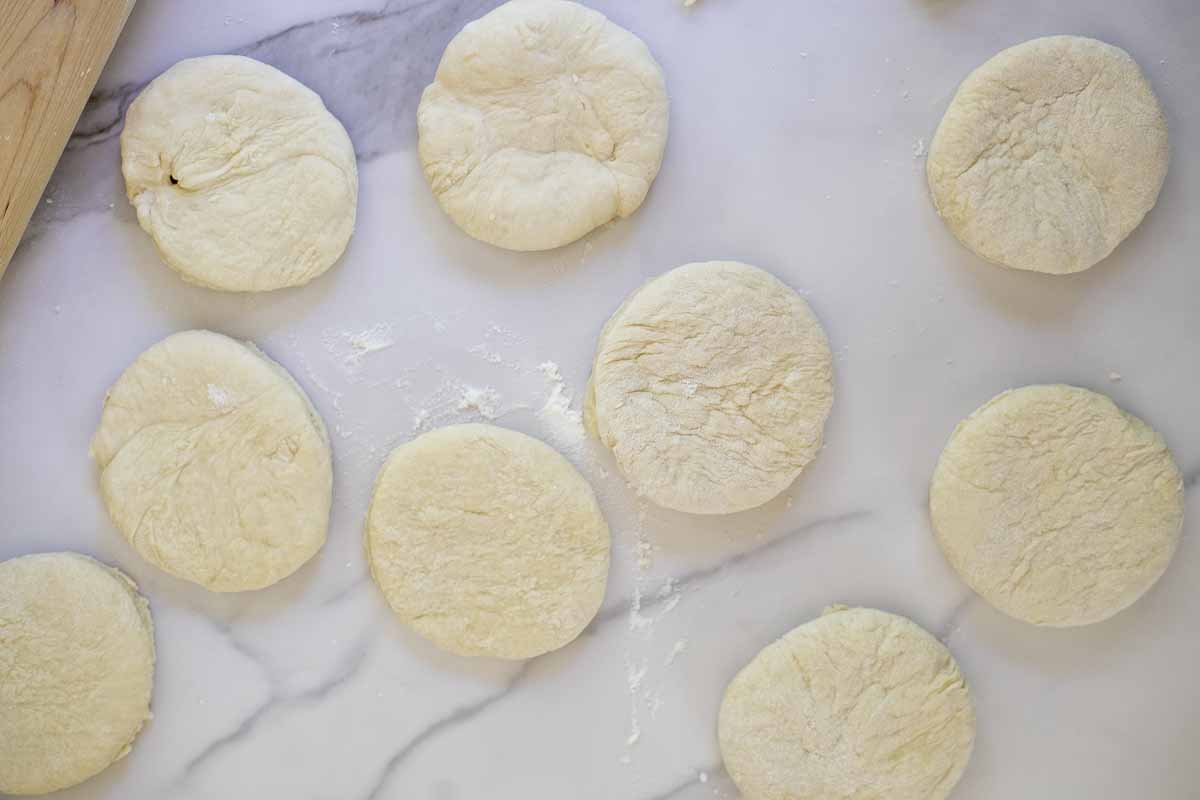
Step 4: Roll dough out on a lightly floured surface about 1/2 inch thick with a rolling pin. Use an English muffin cutter and cut out the dough. Continue rolling out and cutting dough until all the dough is used up.
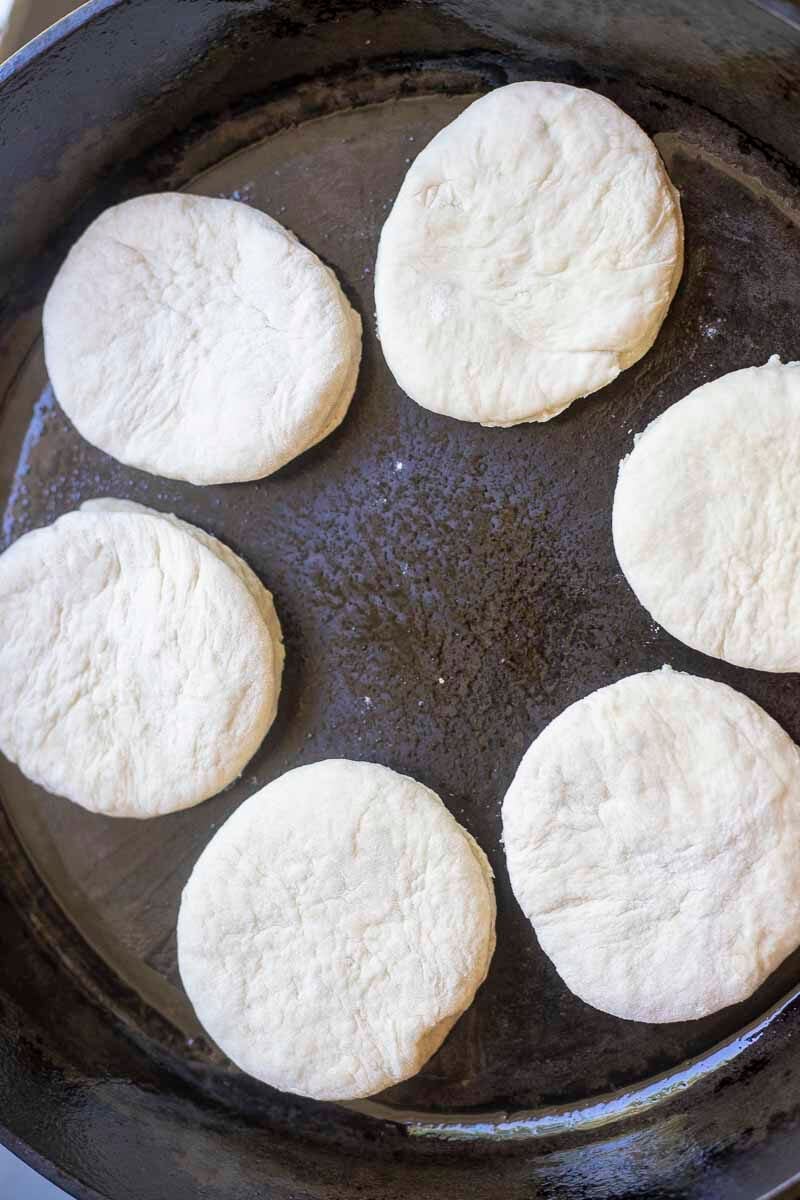
Step 5: Add a little oil to the cast iron skillet. Place English muffins in the pan. Allow to cook for about 5-6 minutes on one side.
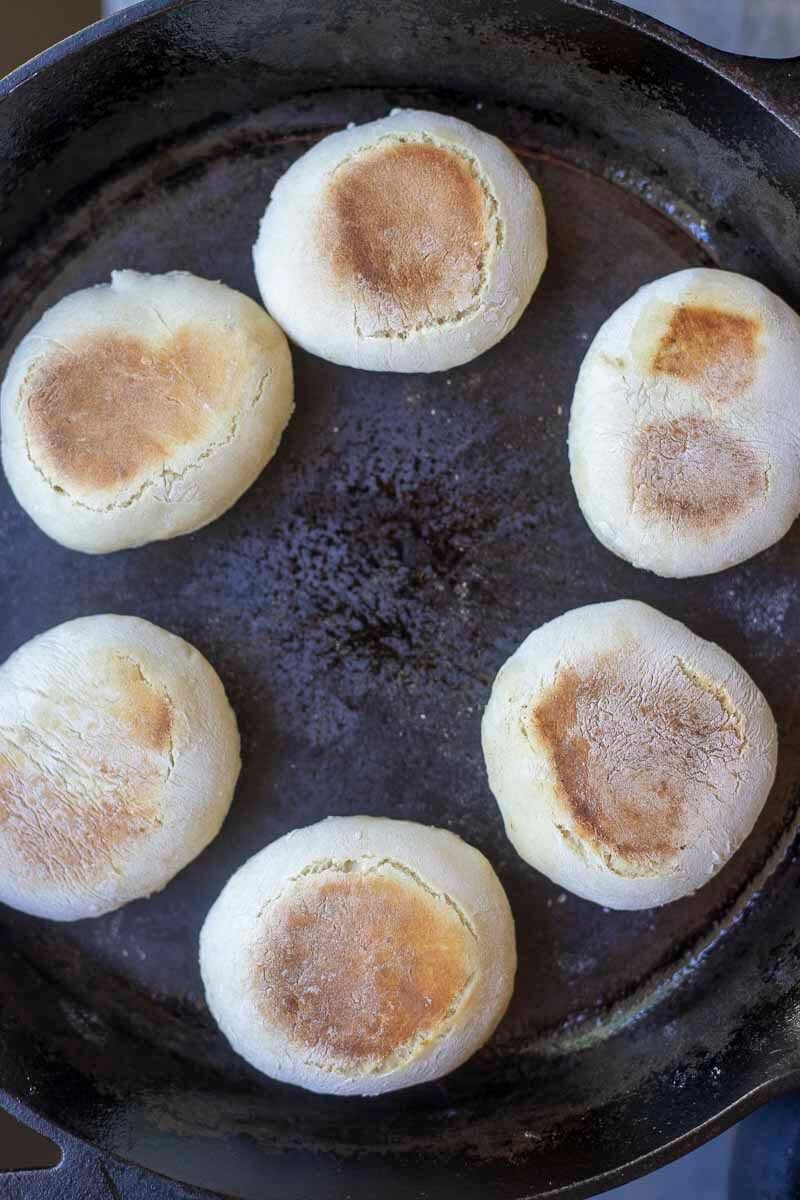
Step 6: Flip and continue cooking for another 5-6 minutes. Allow to cool, then serve. If they have not cooked all the way through, place them in a 350 degree oven for a few minutes.
The Long-Fermented Version
Step 1: In a large bowl, mix all of the ingredients minus the baking soda. Knead together for a few minutes. Cover with plastic wrap or a lid and allow to sit at room temperature for 8-12 hours.
Step 2: The next day, add baking soda to the fermented dough and knead well, making sure it’s all incorporated. Roll the dough and cut out. Preheat the skillet on medium-low heat.
Step 3: Add the English muffins to the cast iron skillet. Cook for about 5-6 minutes on one side, then flip and continue cooking for another 5-6 minutes. Allow to cool, then serve.
Tips
- If your dough is too dry, you may need to add a little more water. The hydration of your starter will play a big part in this.
- If you find that the homemade English muffins are not cooking all the way through, you may need to pop them into a 350-degree Fahrenheit oven and allow them to finish cooking.
- Make sure to use fresh baking soda for best results. Old baking soda may not give these muffins the desired rise.
- If making the long-fermented version, the dough may not rise at all during the fermentation period and that is totally fine. Nothing to worry about!
Recipe FAQ
Yes. They are made with a few basic ingredients and can be a healthy part of your diet. Long-ferment them for even more health benefits.
Yes. It is an active living food with fermented grains and healthy yeasts and bacteria.
Using sourdough discard can be a great way to reduce food waste rather than just tossing it out. It can also ferment grains just like an active starter, it just may not rise the dough.
Once your sourdough starter is established and you are using it frequently, you don’t need to discard every time. But if you find that you have too much starter, I would recommend discarding it to keep it a healthy and manageable size.
Storage
Store in an air-tight container for up to five days. Freeze for up to 3 months.
Pair this recipe with:
- Zucchini Frittata
- Over-hard Eggs
- Peach Preserves
- Homemade Ricotta or Kefir Cheese
- Ham and Cheese Frittata
- Or turn them into Sourdough Breakfast Sandwiches
- Sourdough Beignets
If you make this recipe and love it, I would love if you gave it 5 stars! Tag me on Instagram @farmhouseonboone with your delicious creation.

Sourdough Discard English Muffins
Ingredients
- 2 1/2 cups flour, 350 grams
- 1 cup water, 236 grams
- 1/2 cup sourdough discard, 125 grams
- 1 tablespoon honey, 21 grams
- 1 teaspoon salt, 5 grams
- 1 teaspoon baking soda
Instructions
- Heat a large cast iron skillet over medium-low heat.
- Add flour, salt, and baking soda to a large bowl. Whisk together well.
- Add in water, sourdough starter discard, and honey. Mix until it comes together. You could use a stand mixer if you prefer.
- Knead the dough for a few minutes to help develop the gluten strands.
- Roll dough out on a lightly floured surface about 1/2 inch thick with a rolling pin.
- Use an English muffin cutter and cut out the dough. Continue rolling out and cutting dough until all the dough is used up.
- Add a little oil to the cast iron skillet. Place English muffins in the pan. Allow to cook for about 5-6 minutes on one side, then flip and continue cooking for another 5-6 minutes. Allow to cool, then serve.
Notes
- If your dough is too dry, you may need to add a little more water. The hydration of your starter will play a big part in this.
- If the English muffins are not cooking all the way through, you may need to pop them into a 350-degree Fahrenheit oven and allow them to finish cooking.
- Make sure to use fresh baking soda for best results. Old baking soda may not give these muffins the desired rise.
- If making the long-fermented version, the dough may not rise at all during the fermentation period and that is totally fine. Nothing to worry about!
- See post for long fermentation directions.
Nutrition
Nutrition information is automatically calculated, so should only be used as an approximation.







What flour do you use in recipes please I’m in uk and would like to know if I use plain flour or self raising thanks
Either will work. I use plain flour.
Followed the recipe for the long fermented version. Soft pillowy English muffins- will absolutely do again!!
These turned out great! agreed the dough was super sticky. but the floured surface definitely helped it being able to handle. I used a normal non stick pan bc I didn’t have a cast iron and covered it with a lid while they were cooking. Had no issues-cooked all the way through on the pan! I will say I agree with other commenters saying they are more biscuit like, but still great for an easy recipe!
The dough was far too wet and the fact that there’s no fermentation or proofing time seems ludicrous. There’s no way to even roll out the dough, let alone cut out the muffin when it’s so wet it can’t hold its shape. I don’t understand how people are getting muffins when the measurements seem so wrong. An almost 90% hydration? I’ll try it again with an actual bulk fermentation and proofing time and see how it goes, but the recipe as is doesn’t work for me at all
It should not be batter like! I am sorry you had those issues. Maybe there was a measurement that was off?
Very dense. Not quite sure gram measurements are correct. My dough was very wet so I added some additional flour. The recipe contained no yeast (which is typical in my experience with discard recipes) or had any time for the dough to rise before cooking. Perhaps this recipe/instructions aren’t quite complete? I’ve had success with other recipes from this blog.
I am sorry you did not have success with this recipe. Everything listed is correct on the recipe.
I’m new to baking using discard and these came out really good! Can’t wait to try more recipes!
My muffins turned out as dense as hockey pucks. I don’t know what I did wrong.
This recipe worked great for me and I love the way they came out. Super easy too! I ended up leaving them on the pan for a few extra minutes and turning the heat down so they didn’t get too brown. Will definitely make again!
I’m sorry,
This recipe did not work at all, I ended up letting my dough ferment 5hrs doing three folds on the hour. formed and put in the refrigerator for 12 hrs.
browned in skillet and baked, they turned out great.
original recipe dough was to sticky, added flour and fought trying to form the muffins. Finally gave up and proceeded as listed above. I’m sorry I couldn’t get this to work as it’s much faster. usually happens when you try to speed up SD cooking!!!
I’m actually really upset about this one. These should have been done already, but I’m desperately trying to save the wasted resources by cooking them in the oven. I had pancake batter, like the others who commented, and had to add flour just to get anything reminiscent of dough. Now it’s not cooking through on the pan, so into the oven it goes. So now they’re dense. This recipe doesn’t work for everyone, clearly by your comments. Take it down until it does.
What can I use in place of a cast iron skillet? We need a new one and my kids are begging for me to make these
Any skillet will work.
I used a T-fal pan without the oil.
I think the grams-cup measurements are incorrect. My dough was too wet and then when I measured grams of water on my scale-it did not equal 2 cups (for double batch).
Thanks! I’ll look into it. Here’s my conversion chart to help you.