
Learn all about where to buy wheat berries and other bulk grains so you can mill your own flour right at home.
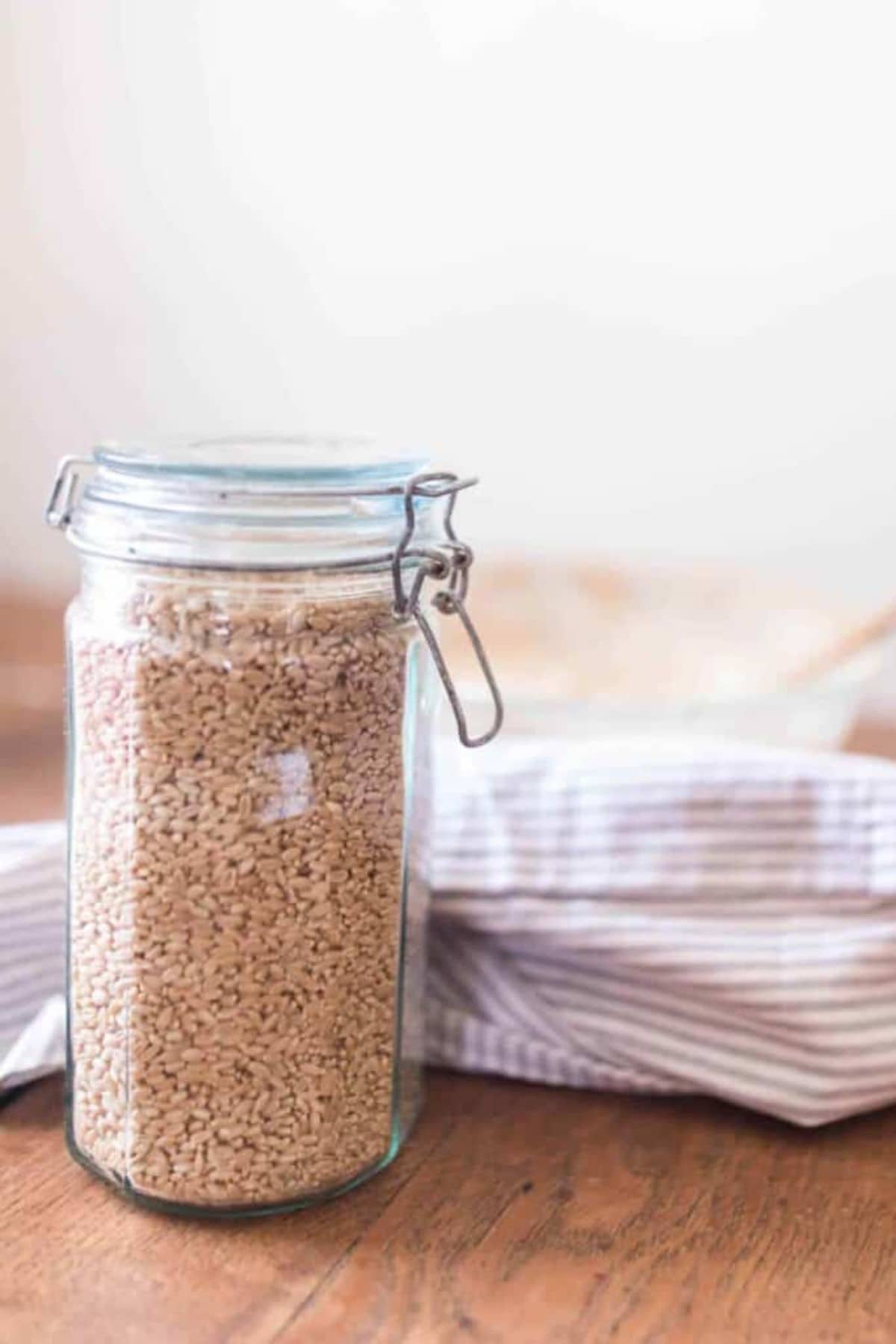
I absolutely love purchasing grains in bulk and have been milling my own flour for over 12 years now. If you are new to freshly milled flour you can learn all about how to mill your own flour at home in this post.
The first question I get from people who want to start milling their own flour is which grain mill to buy. For more information on that, check out my Mockmill vs. Nutrimill comparison.
The second question is where do you buy wheat berries.
So, let’s dive in to where to buy wheat berries and other bulk grains. Plus, I’ll go over the best ways to store the wheat berries once you have them.
Benefits Of Buying Wheat Berries
Store for a long time – It is best to use wheat berries within 3 years, but with the right storage conditions, wheat can last decades.
Healthier – Grains lose their nutritional value pretty quickly after milling. Since flour at the store needs to be able to sit on the shelves for long periods of time, the healthy parts of the grain are removed during processing. By milling them yourself, you are not only get super fresh flour, but also more nutrients.
Can be cheaper than flour – I find this especially true for organic grains and more specialty grains.
Preparedness – Since grains can store for a long time, you can easily store a lot of grains for your food storage. It is a great way to build up a pantry.
Variety – You may be able to find a greater variety of wheat berries like spelt, einkorn, and other ancient grains, than you may be able to find in pre-ground flour.
My Favorite Grains To Purchase
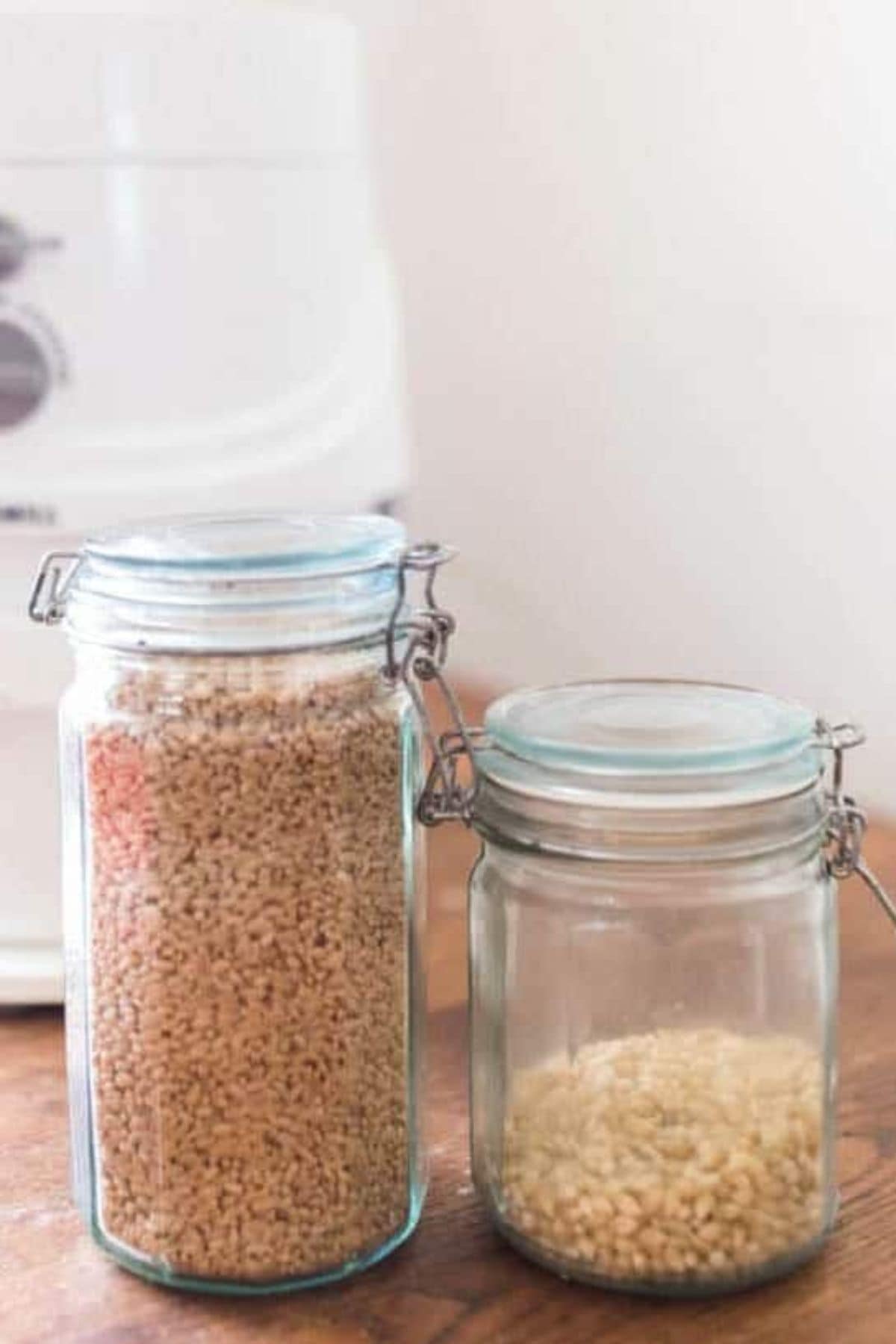
Soft White Wheat Berries – Good for cookies, cakes, muffins, and quick breads. It is a little softer and has less gluten than hard wheat.
Hard White Wheat Berries – This type of wheat is good for breads. It is due to a greater amount of gluten, which gives bread more structure.
Einkorn – This is my go to for a recipe that I’m not going to ferment. Einkorn flour is one of the oldest heirloom varieties of wheat and it contains less gluten than a more modern wheat. This makes it much easier to digest. Find some of my favorite einkorn recipes here.
Spelt – Another heirloom wheat that I’ve been loving lately. It is absolutely delicious in this spelt sourdough bread recipe.
Kamut – Is a non-hybridized, non-GMO flour that is grown organically and full of vitamins, minerals, and antioxidants. I love kamut bread.
Oats – A breakfast staple that I also love to buy in bulk. It can be very inexpensive when purchasing in bulk. The cheapest I’ve found is at Azure standard. A 50 pound bag of organic rolled oats comes out to $1.06 per pound.
Popcorn – Not only do we use this to make popcorn, but I have also mill it to make cornmeal to make homemade sourdough cornbread.
Rye – Rich in fiber, lower on the glycemic index, and less gluten than regular flour, rye is a great choice for bread making, I love this sourdough rye bread recipe.
Where To Buy Wheat Berries

There are multiple places online and locally that you can find wheat berries to purchase.
Mockmill
Great variety of grains and specialty wheat berries, however, shipping isn’t free and can be quite expensive.
Azure Standard
Probably one of my favorite places to shop all things bulk food! Wheat berries are no exception. Not only do they offer a great variety of grains, but they have the cheapest price and free shipping.
You can read more about other items I like to buy in bulk from Azure in this post.
Country Life Natural Foods
I’ve purchased through Country Life Organics many times. You can get free shipping on all orders over $99. Currently, hard white wheat is about $2.19 per pound for a 25 pound bag.
Jovial
Jovial currently only sells einkorn wheat berries for $44.49 for a 10 pound bag. Free shipping for all orders over $99. This comes out to be slightly cheaper than purchasing flour.
Amazon
Amazon offers wheat berries in bulk. Their prices are slightly more expensive than some other places, but most of the brands do offer free shipping, especially if you are a prime member.
Local Natural Grocery Stores
While ordering online can be a great and convenient option, I love shopping locally whenever possible. Sometimes local grocery stores offer a great bulk section where you can buy bulk grains from a bin. They may even be able to order larger quantities at a great price if you ask.
Amish Stores
Another place I’ve had success has been from local Amish stores. We used to have one about 30 minutes away, and twice a year I would head over to purchase many bulk items such as raw honey, grains, and raw butter.
How To Store Bulk Grains
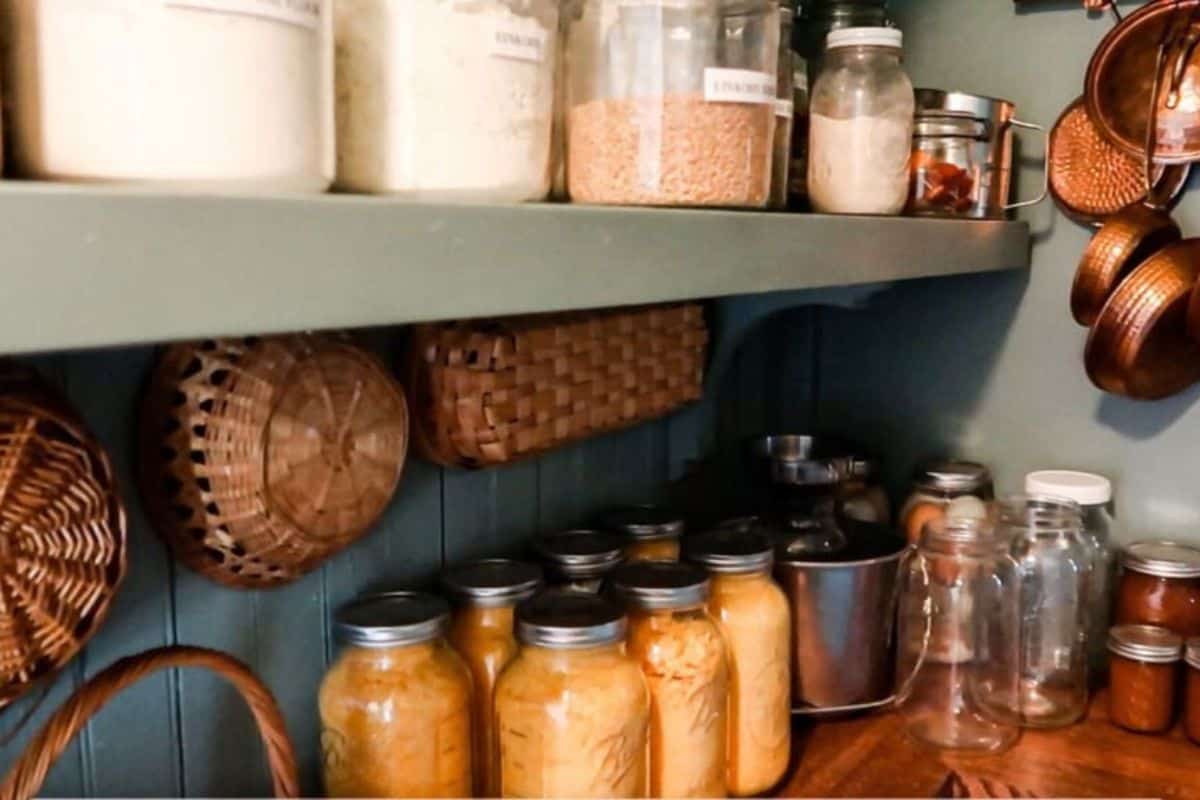
How you store your grains depends on how long it will take you to go through the grains.
Short term storage – If storing for up to 6 months, wheat berries can just be stored in a glass container, or plastic bucket with a tight lid preferably in a cool (40 to 60 degrees F) dark, dry place out of direct sunlight.
I like to keep them in 5 gallon buckets with a gamma lid (these lids are much easier to open than the lids that 5 gallon buckets come with). This is airtight and will keep them fresh for a long time.
Long term storage – If you are wanting to keep them fresh for a long period of time, think 30 years, then I would suggest adding five 300cc oxygen absorbers to your 5 gallon bucket. They can also be stored in mylar bags. Add one 300 cc oxygen absorber per gallon mylar bag.
Oxygen absorbers help keep the environment in an unfavorable condition for any bugs. You can also freeze the grain for a 3-5 days and then thaw to kill bugs. Some suggest doing this another time 30 days later to kill any bugs in a later cycle.
Storing Freshly Milled Flour
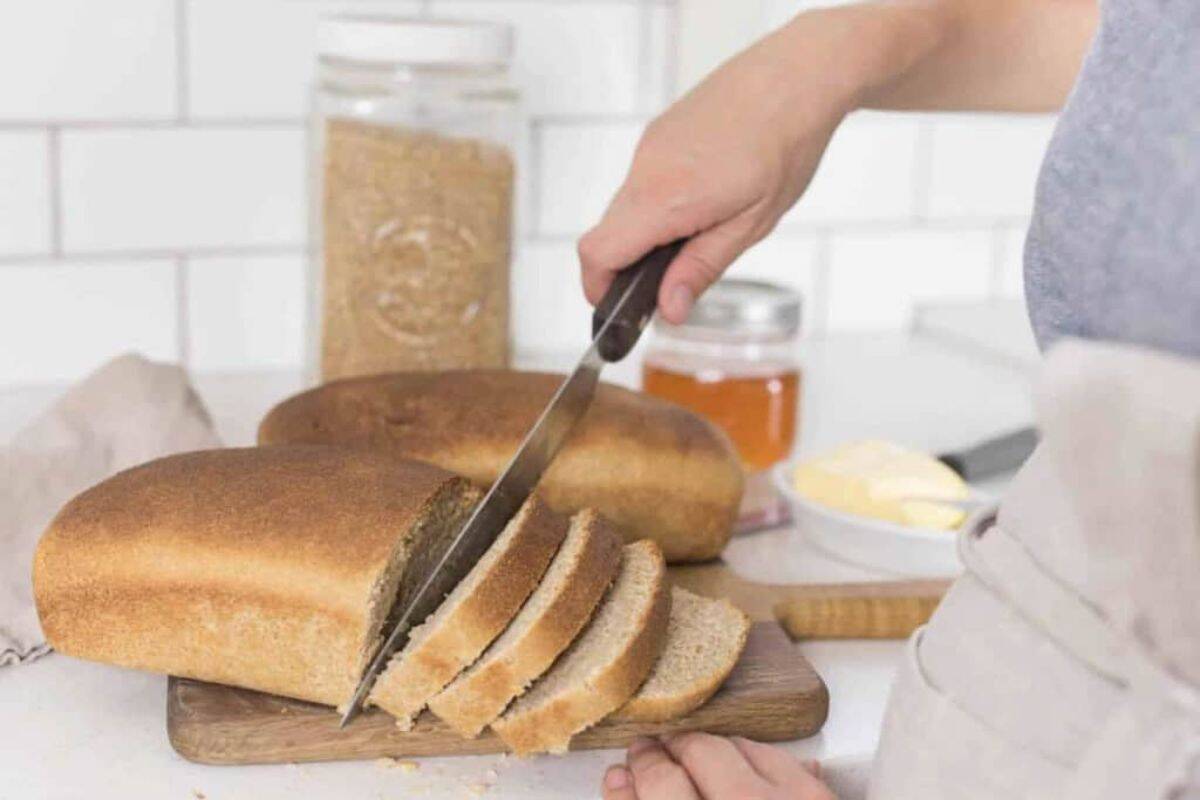
Once wheat berries have been milled into flour, the flour only stays fresh for up to a week. This is because when milling at home the bran, germ, and endosperm are still intact and contain oils which will go rancid fairly quickly.
Keep fresh flour in a container (preferably glass or plastic) at room temperature for about 3 days, in the refrigerator for up to a week, or in the freezer for up to 6 months.
A good indicator if the flour is still good is by smell. If it smells off, then toss it.
FAQs
Currently Costco doesn’t sell wheat berries (this also may be local Costco specific). However, some stores do offer a really great deal on organic flour.
Buying wheat berries in bulk can be cheaper than flour. I find this particularly true with organic grains.
I started with a Nutrimill flour mill and then recently switched over to the Mockmill. You can see a comparison between the Mockmill and Nutrimill here.







Is there a measurement of berries to flour?
For example; in need 6 cups of flour therefore. I will need to mill X cups of berries.
140 grams of fmf per cup of AP flour…you can measure the wheat berries in grams before milling
Lisa,
Like yourself, I have … a few kids (not as many as you, but we do a LOT of cooking around here too). I was wondering if you would share how much you buy (in pounds) when you purchase wheat berries AND how often you buy. I’m just trying to get an idea for how much I want to buy since we’re close to making our first purchase from Azure Standard. FYI, we have 6 kids from 7 years old to almost 18.
I really don’t have an idea since I have been buying for so long…It varies for sure with how much baking we are doing etc. Start with hard white wheat berries since they are so versatile and just see how much you go through and order more as budget allows, the good thing about wheat berries is if they are stored properly they will never go bad.
How would I best store large buckets of grain if I have nowhere in my house that is 40° to 60°? (If I did, I’d be sleeping there!) I don’t have a basement or a garage.
Just do your best to find the coolest, darkest place in your home. Sometimes that can even be a closet!
I’m glad to see you are writing recipes with Fresh milled flour vs dead flour. Thank you!
I recommend Belle Valley Ancient Grains. Newell South Dakota
Brian gives free shipping on orders of $100.00
Living Sky Grains in Montana is also a great place to order different grains and berries! Excellenct quality.
Pleasant Hill Grain also has good prices. If ordering their buckets, they come pre packaged for very long term storage.
Ok, so this is a long shot here. I moved from Colorado where I was able to make beautiful loaves of 100% fresh ground wheat bread for over 30 years, using my BOSCH and my Nutrimill. I am now in South Carolina and having THEE hardest time making decent loves of wheat bread! I have tried multiple recipes, added more water, kneaded it longer, added less water, let the dough rest, etc. All to know avail? I am just curious if there are any suggestions that you might have for me? I know the humidity has to be figured in, but I am at wits end. Any help you could send my way would be greatly appreciated. 🙂
I would think it would need less water since there is more humidity! Have you tried giving it an hour to rest before kneading the dough? I also recommend measuring your flour by weight! Hope these tips help.
I bet you might also be having trouble adjusting to the different elevation. Elevation makes a big difference in baking.
Have you ever tried Sunrise Flour Mill products? This is where I get my flour. They also have heritage wheat berries. I’d be very interested in what you think about their products.